

Àwọn fáfà bọ́ọ̀lù ni wọ́n sábà máa ń lò gẹ́gẹ́ bí ẹ̀rọ tí a lè máa lò láti tan/pa. Apẹẹrẹ wọn dín agbára wọn láti pèsè ìṣàkóso ìṣàn omi tí ó péye kù. Ààlà yìí lè ní ipa lórí bí wọ́n ṣe ń ṣiṣẹ́ dáadáa nínú àwọn ohun èlò ààbò iná kan. Àwọn kókó pàtàkì díẹ̀ nìyí nípa àwọn ohun èlò tí a lè lò fún ààbò iná.fire protection valvesti awọn falifu bọọlu:Iṣẹ́ Títàn/PáÀwọn fáfà bọ́ọ̀lù máa ń ṣiṣẹ́ dáadáa ní pípa omi tàbí fífà á sílẹ̀ kíákíá. Síbẹ̀síbẹ̀, wọn kì í ṣiṣẹ́ dáadáa nígbà tí àwọn olùṣiṣẹ́ bá nílò láti ṣàtúnṣe ìwọ̀n ìṣàn díẹ̀díẹ̀.Àwọn Ìṣòro Ìdènà: Tí a bá ṣí àwọn fáfà bọ́ọ̀lù díẹ̀, wọ́n lè fa ìrúkèrúdò. Ìrúkèrúdò yìí lè fa ìfúnpá àti ìṣàn omi tí kò dúró ṣinṣin. Irú ìwà bẹ́ẹ̀ lè dí iṣẹ́ àwọn ètò ìdábòbò iná lọ́wọ́.Ìlànà ṢíṣànÀwọn fáfà bọ́ọ̀lù kò yẹ fún àwọn ohun èlò tó nílò ìlànà ìṣàn omi tó péye. Apẹẹrẹ wọn kò gbà láàyè fún àtúnṣe díẹ̀díẹ̀. Ààlà yìí lè jẹ́ ìṣòro ní àwọn ipò tí ìpèsè omi tó péye bá ṣe pàtàkì.Ìmọ̀ràn: Fún àwọn ohun èlò tí ó nílò ìṣàtúnṣe ìṣàn, ronú nípa lílo àwọn fáfà ẹnu ọ̀nà tàbí àwọn irú fáfà mìíràn tí a ṣe fún fífọ́.
Àtẹ ìsàlẹ̀ yìí ṣàkópọ̀ agbára ìṣàkóso ìṣàn omi ti àwọn fáfà bọ́ọ̀lù ní ìfiwéra pẹ̀lú àwọn fáfà ẹnu ọ̀nà:
- Irú fáìlì
- Agbara Iṣakoso Sisan
- Ọran Lilo to dara julọ
- Bọ́ọ̀lù àtọwọdáLopin
- Iṣẹ́ títàn/pipaẸ̀nubodè Fáìlì
Díẹ̀díẹ̀
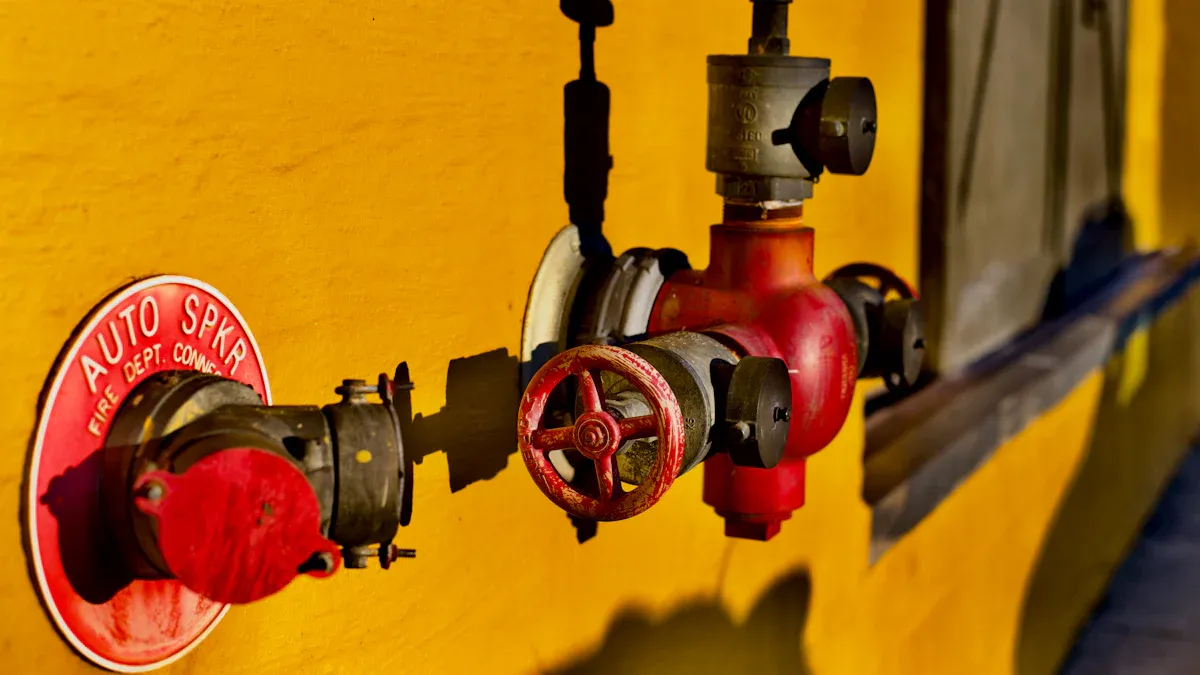
Ìṣàn àti ìṣàn omiÀwọn Ohun Èlò Nínú Àwọn Ẹ̀rọ InáÀwọn fáàlù ààbò iná ń kó ipa pàtàkì nínú onírúurú ìlò nínú àwọn ètò ààbò iná. Yíyàn wọn da lórí àwọn ohun tí a nílò láti ṣiṣẹ́ pàtó àti irú ètò ààbò iná. Àwọn ohun èlò pàtàkì kan wà fún àwọn fáàlù ẹnu ọ̀nà àti àwọn fáàlù bọ́ọ̀lù nínú àwọn ètò iná:
| 1. Àwọn Ètò Ìfọ́mọ́ Iná | Ball Valves | Gate Valves |
|---|---|---|
| Àwọn ètò páìpù ìdábùú, tí a sábà máa ń rí ní àwọn ilé ìṣòwò, gbẹ́kẹ̀lé àwọn fáìlì ìdáàbòbò iná láti rí i dájú pé omi tó tó fún àwọn ìsapá ìpakúpa iná. Àwọn fáìlì ẹnu ọ̀nà ni a sábà máa ń lò láti ya àwọn apá kan nínú ètò náà sọ́tọ̀, nígbà tí àwọn fáìlì bọ́ọ̀lù ń mú kí ó rọrùn láti ṣiṣẹ́ kíákíá fún wíwọlé omi lẹ́sẹ̀kẹsẹ̀. | 3. Àwọn Ètò Omi Iná | Àwọn ẹ̀rọ ìfọ́ omi iná nílò àwọn fọ́ọ̀fù tó ṣeé gbẹ́kẹ̀lé àti tó gbéṣẹ́ láti rí i dájú pé àwọn oníná lè wọ omi kíákíá. Àwọn fọ́ọ̀fù ẹnu ọ̀nà ni a sábà máa ń fi sí orí ìpèsè pàtàkì láti ṣàkóso ìṣàn omi sí àwọn fọ́ọ̀fù. A tún lè lo àwọn fọ́ọ̀fù bọ́ọ̀lù fún pípa kíákíá ní àwọn ipò pàjáwìrì. |
| 4. Àwọn Ètò Ìkún Omi àti Ṣáájú Ìgbésẹ̀ | Nínú àwọn ètò ìdádúró iná ìkún omi àti àwọn ètò ìdènà iná ṣáájú ìgbésẹ̀, àwọn fáìlì ààbò iná ń kó ipa pàtàkì nínú ṣíṣàkóso ṣíṣàn omi sí orí àwọn ohun èlò ìfúnpọ̀. Àwọn fáìlì ẹnu ọ̀nà lè ya àwọn apá kan nínú ètò náà sọ́tọ̀ fún ìtọ́jú, nígbà tí àwọn fáìlì bọ́ọ̀lù ń gba láàyè láti mú ṣíṣàn omi yára ṣiṣẹ́ nígbà tí ó bá yẹ. | 5. Àwọn Ohun Èlò Ilé-iṣẹ́ |
| Flow Regulation | 6. Ààbò Iná Ilé Gbígbé | Àwọn ètò ààbò iná ilé gbígbé tún ń jàǹfààní láti inú lílo àwọn fáìlì ààbò iná. Àwọn fáìlì ẹnu ọ̀nà ń fúnni ní agbára pípa omi tí ó ṣeé gbẹ́kẹ̀lé, nígbà tí àwọn fáìlì bọ́ọ̀lù ń rí i dájú pé wọ́n tètè dé ibi tí omi lè wúlò fún àwọn ìsapá ìjà iná. |
| Durability | : Nígbà tí o bá ń yan àwọn fáfà fún àwọn ètò ààbò iná, ronú nípa ohun tí a nílò àti bí a ṣe ń lò ó. Irú fáfà kọ̀ọ̀kan ní àwọn àǹfààní àrà ọ̀tọ̀ tí ó lè mú kí iṣẹ́ ètò náà sunwọ̀n sí i. | Àwọn Ìṣẹ̀lẹ̀ Tó Yẹ fún Àwọn Fáfà Ẹnubodè |
| Àwọn fáàfù ẹnu ọ̀nà máa ń ṣiṣẹ́ dáadáa ní onírúurú ipò láàárín àwọn ètò ààbò iná. Apẹrẹ àti iṣẹ́ wọn mú kí wọ́n dára fún àwọn ohun èlò pàtó níbi tí wọ́n ti lè lò wọ́n. | iṣakoso sisan ti o gbẹkẹle | Ó ṣe pàtàkì. Àwọn ipò tó dára jùlọ fún lílo àwọn fáfà ẹnu ọ̀nà nìyí: |
Ìyàsọ́tọ̀ Ìpèsè Omi Pàtàkì
Àwọn fáfà ẹnu ọ̀nà ń ṣiṣẹ́ gẹ́gẹ́ bí ọ̀nà ìpalẹ̀mọ́ pàtàkì fún ìpèsè omi pàtàkì nínú àwọn ètò ààbò iná. Wọ́n ń jẹ́ kí a ti pa gbogbo rẹ̀ nígbà ìtọ́jú tàbí pàjáwìrì, èyí tí ó ń rí i dájú pé ètò náà wà ní ààbò àti pé ó ń ṣiṣẹ́.Awọn Ohun elo Titẹ Giga: Ní àyíká tí ìfúnpá gíga ti jẹ́ ohun àníyàn, àwọn fáfà ẹnu ọ̀nà tayọ̀. Ìṣẹ̀dá wọn tó lágbára lè kojú ìfúnpá tó lágbára láìsí ìpalára iṣẹ́. Àìlágbára yìí mú kí wọ́n dára fún àwọn ilé iṣẹ́.
Àwọn Pípù Pípù Tó Ní Ìwọ̀n Ìwọ̀n Ńlá
: A sábà máa ń lo àwọn fáfà ẹnu ọ̀nà nínú àwọn páìpù oníwọ̀n tó tóbi níbi tí ó ti ṣe pàtàkì láti ṣàkóso ìṣàn omi. Apẹẹrẹ wọn máa ń dín ìdènà ìṣàn omi kù, èyí sì máa ń jẹ́ kí omi tó gbéṣẹ́ wà ní àkókò pàjáwìrì.
Àwọn Ètò Omi Iná
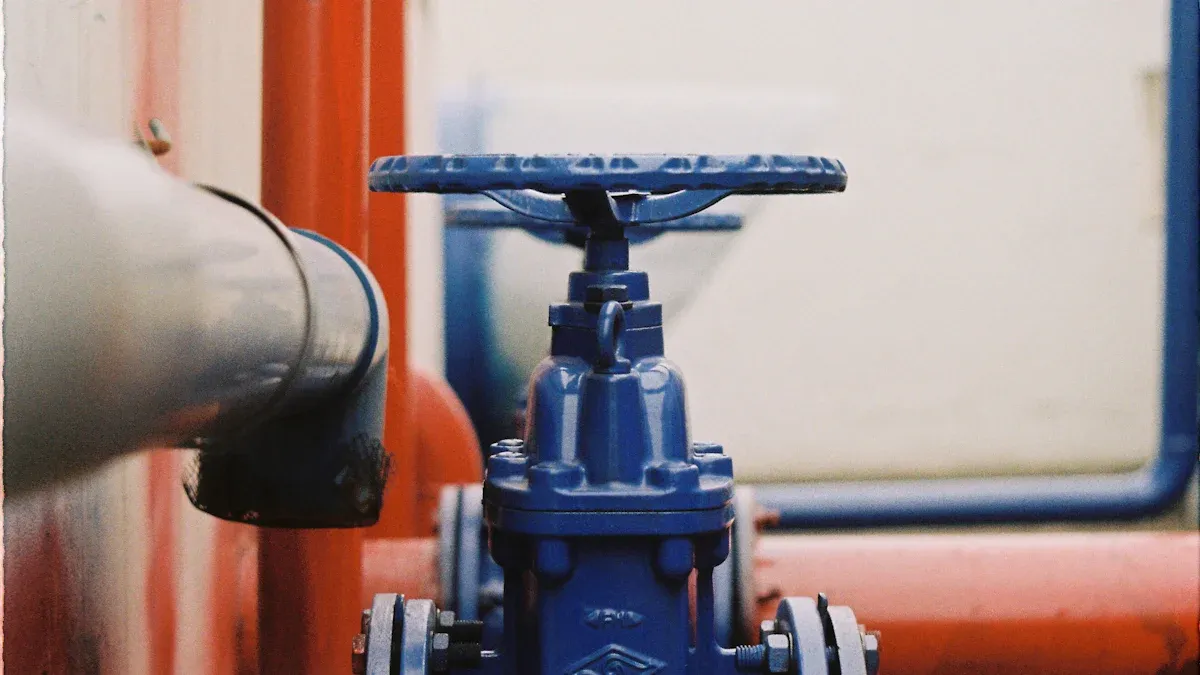
: A sábà máa ń fi àwọn fáfà ẹnu ọ̀nà sínú àwọn ẹ̀rọ omi iná. Wọ́n máa ń mú kí omi náà ya sọ́tọ̀, èyí sì máa ń mú kí àwọn oníná lè wọ omi kíákíá nígbà tí ó bá yẹ.Ǹjẹ́ àwọn fáfà ẹnu ọ̀nà yẹ fún àwọn ohun èlò ìfàsẹ́yìn?: Nínú àwọn ẹ̀rọ páìpù ìdábùú, àwọn fáfà ẹnu ọ̀nà ń jẹ́ kí àwọn apá pàtó ya sọ́tọ̀. Agbára yìí ṣe pàtàkì fún ìtọ́jú àti rírí i dájú pé àwọn apá mìíràn nínú ẹ̀rọ náà ń ṣiṣẹ́.
- Ball Valves: Nígbà tí o bá ń yan àwọn fáfà ẹnu ọ̀nà fún àwọn ètò ààbò iná, ronú nípa ohun tí a nílò àti bí a ṣe ń lò ó. Agbára wọn láti pèsè ìdènà tí ó ṣeé gbẹ́kẹ̀lé àti láti kojú àwọn ìfúnpá gíga mú kí wọ́n jẹ́ ohun pàtàkì ní onírúurú ipò.
- Gate ValvesÀwọn fáfà bọ́ọ̀lù máa ń ṣiṣẹ́ dáadáa ní onírúurú ipò láàárín àwọn ètò ààbò iná. Apẹrẹ wọn àti ìṣiṣẹ́ wọn mú kí wọ́n dára fún àwọn ohun èlò pàtó níbi tí ìdáhùn kíákíá àti ìgbẹ́kẹ̀lé ṣe pàtàkì. Àwọn ipò tó dára jù fún lílo àwọn fáfà bọ́ọ̀lù nìyí:
Ipade pajawiri
: Àwọn fáàfù bọ́ọ̀lù máa ń tayọ̀ ní àwọn ipò tó nílò pípa kíákíá. Iṣẹ́ wọn nígbà ìdámẹ́rin-mẹ́ta máa ń jẹ́ kí pípa lẹ́sẹ̀kẹsẹ̀, èyí tó ṣe pàtàkì nígbà ìṣẹ̀lẹ̀ pajawiri iná. Àwọn oníṣẹ́ iná lè wọ inú omi kíákíá, kí wọ́n sì rí i dájú pé wọ́n tètè dáhùn.
Awọn Eto Titẹ-gigaǸjẹ́ àwọn fáfà ẹnu ọ̀nà yẹ fún àwọn ohun èlò ìfàsẹ́yìn?Àwọn Ìlà Ìpèsè Omi
Gate Valves
- Fún àwọn ètò ààbò iná, ẹ ronú nípa iṣẹ́ wọn kíákíá àti ìdínkù titẹ díẹ̀. Àwọn ẹ̀yà ara wọ̀nyí mú kí iṣẹ́ gbogbogbòò àti ìgbẹ́kẹ̀lé ètò náà pọ̀ sí i.: Nínú àwọn ẹ̀rọ ìfúnpọ̀ iná, àwọn fáfà bọ́ọ̀lù ń mú kí ìṣiṣẹ́ yára rọrùn. Wọ́n ń jẹ́ kí omi ṣàn lọ sí orí ìfúnpọ̀ lẹ́sẹ̀kẹsẹ̀, èyí sì ń mú kí iṣẹ́ ìdènà iná sunwọ̀n sí i.
- Àwọn Ètò Ìkún Omi: Àwọn fáàfù bọ́ọ̀lù kó ipa pàtàkì nínú ètò ìkún omi, níbi tí omi ti ń jáde kíákíá. Apẹẹrẹ wọn mú kí ó rọrùn láti ṣiṣẹ́ kíákíá, kí ó sì rí i dájú pé omi dé àwọn agbègbè tí a fẹ́ kí ó dé láìsí ìdádúró.
- Ìdáhùn kíákíá nígbà tí iná bá ń jó: Nigbawo
Ball Valves
- Fún àwọn ètò ààbò iná, ẹ ronú nípa iṣẹ́ wọn kíákíá àti ìdínkù titẹ díẹ̀. Àwọn ẹ̀yà ara wọ̀nyí mú kí iṣẹ́ gbogbogbòò àti ìgbẹ́kẹ̀lé ètò náà pọ̀ sí i.Iru Ohun elo
- Àǹfààní PàtàkìIpade pajawiri
- Ìdáhùn kíákíá nígbà tí iná bá ń jóAwọn Eto Titẹ-gigaÓ ń pa ìwà títọ́ mọ́ lábẹ́ pákáǹlekeÀwọn Ìlà Ìpèsè Omi
TipÀwọn Ètò Ìfúnpọ̀
Ṣiṣẹda sisan omi lẹsẹkẹsẹ
Àwọn Ètò Ìkún Omi
- Itusilẹ omi yarayara fun idinkuIpari Gbogbogbo ninu Awọn Eto Ina
- Àṣeyọrí tiawọn falifu aabo ina
- Ó ní ipa pàtàkì lórí iṣẹ́ àwọn ètò ààbò iná. Àwọn fáìlì ẹnu ọ̀nà àti àwọn fáìlì bọ́ọ̀lù ló ń kó ipa pàtàkì nínú rírí dájú pé omi ń ṣàn nígbà ìṣẹ̀lẹ̀ pajawiri. Àwọn ànímọ́ àrà ọ̀tọ̀ wọn ló ń ṣe àfikún sí bí gbogbo ìsapá ìdádúró iná ṣe ń ṣiṣẹ́ dáadáa.Àwọn fáàlù ẹnu ọ̀nà tayọ̀ nínú àwọn ohun èlò tó nílò pípa ìṣàn omi pátápátá. Wọ́n pèsè ọ̀nà tó ṣeé gbẹ́kẹ̀lé láti ya àwọn apá kan nínú ètò ààbò iná sọ́tọ̀. Agbára yìí ṣe pàtàkì nígbà ìtọ́jú tàbí pàjáwìrì. Àwọn fáàlù ẹnu ọ̀nà gba agbára ìṣàn omi gíga, èyí tó ń rí i dájú pé omi dé àwọn agbègbè pàtàkì nígbà tí ó bá yẹ. Ìṣẹ̀dá wọn tó lágbára dúró ṣinṣin, èyí tó mú kí wọ́n yẹ fún onírúurú àyíká.
- Ní ọwọ́ kejì ẹ̀wẹ̀, àwọn fáìlì bọ́ọ̀lù máa ń ṣiṣẹ́ kíákíá àti ìfàsẹ́yìn ìfúnpá díẹ̀. Ọ̀nà ìyípo wọn fún ìpele omi kíákíá, èyí tí ó ṣe pàtàkì nígbà tí iná bá ń jó. Àwọn oníṣẹ́ iná lè mú kí àwọn fáìlì bọ́ọ̀lù ṣiṣẹ́ kíákíá, kí wọ́n sì rí i dájú pé wọ́n ṣe é lẹ́sẹ̀kẹsẹ̀.sisan omi
- Ìdáhùn kíákíá yìí lè ṣe ìyàtọ̀ pàtàkì nínú ṣíṣàkóso iná dáadáa. Ní àfikún, àwọn fáìlì bọ́ọ̀lù máa ń pa ìdènà tí kò lè jò mọ́, ó ń dènà pípadánù omi àti pé ó ń mú kí ìgbẹ́kẹ̀lé ètò náà pọ̀ sí i.Iṣe ni Awọn Pajawiri
Ní àwọn ipò pajawiri, iṣẹ́ àwọn fáìlì ààbò iná di pàtàkì. Àwọn fáìlì ẹnu ọ̀nà àti fáìlì bọ́ọ̀lù ló ń kó ipa pàtàkì nínú rírí i dájú pé àwọn ìsapá ìpakúpa iná náà gbéṣẹ́.
àwọn ànímọ́ iṣẹ́le ni ipa pataki lori abajade awọn iṣẹ idinku ina.Àwọn Fọ́fù Ẹnubodè
| Valve Type | Àwọn fálù bọ́ọ̀lù | Ní ìyàtọ̀ sí èyí, àwọn fáìlì bọ́ọ̀lù máa ń ṣiṣẹ́ kíákíá. Ọ̀nà ìyípo mẹ́rin wọn máa ń jẹ́ kí omi lè wọlé lẹ́sẹ̀kẹsẹ̀. Ìṣiṣẹ́ kíákíá yìí ṣe pàtàkì nígbà tí iná bá ń jó, níbi tí àkókò ti ṣe pàtàkì. Àwọn oníṣẹ́ iná lè lo àwọn fáìlì bọ́ọ̀lù kíákíá, kí wọ́n sì rí i dájú pé omi ń ṣàn sí àwọn agbègbè tí ó yẹ láìsí ìdádúró. Ní àfikún, àwọn fáìlì bọ́ọ̀lù máa ń dín ìfúnpá kù, èyí tí ó ń ran lọ́wọ́ láti mú kí omi lè rọ̀ jákèjádò ètò náà. |
|---|---|---|
| Gate Valve | : A le gbẹkẹle fun pipa patapata ṣugbọn o lọra lati ṣiṣẹ. | : A le gbẹkẹle fun pipa patapata ṣugbọn o lọra lati ṣiṣẹ. |
| Ball Valve | Ìgbẹ́kẹ̀lé Ààbò Iná fún Ìgbà Pípẹ́ | Ìgbẹ́kẹ̀lé Ààbò Iná fún Ìgbà Pípẹ́ |
Ìgbẹ́kẹ̀lé ìgbà pípẹ́ ṣe pàtàkì fún àwọn fáìlì ààbò iná, nítorí pé àwọn ẹ̀yà ara wọ̀nyí ń kó ipa pàtàkì nínú rírí ààbò nígbà ìṣẹ̀lẹ̀ pajawiri. Àwọn fáìlì ẹnu ọ̀nà àti páìlì ní àwọn ànímọ́ àrà ọ̀tọ̀ tí ó ní ipa lórí ìgbẹ́kẹ̀lé wọn nígbà tí ó bá yá.
- Àwọn Fọ́fù Ẹnubodè
- Àìpẹ́
- Àwọn fáfà ẹnu ọ̀nà sábà máa ń ní àwọn ohun èlò tó lágbára, bíi irin alagbara tàbí idẹ. Àwọn ohun èlò wọ̀nyí máa ń mú kí wọ́n lè fara da ìfúnpá àti otútù gíga, èyí sì máa ń mú kí wọ́n pẹ́ títí.
- Awọn ibeere itọju
- : Itoju deedee ṣe pataki fun awọn falifu ẹnu-ọna. Awọn oniṣẹ yẹ ki o ṣayẹwo awọn edidi ati awọn ẹya inu lati yago fun jijo. Aifarabalẹ itọju le ja si idinku igbẹkẹle ati awọn ikuna ti o ṣeeṣe lakoko awọn akoko pataki.
- Àwọn fálù bọ́ọ̀lù
- Awọn aini Itọju Kekere
- Àwọn fáìlì bọ́ọ̀lù sábà máa ń nílò ìtọ́jú tó kéré sí ti àwọn fáìlì ẹnu ọ̀nà. Apẹẹrẹ wọn máa ń dín ìbàjẹ́ àti ìyàjẹ kù, èyí sì máa ń jẹ́ kí wọ́n lè ṣiṣẹ́ dáadáa fún ìgbà pípẹ́.
- Àìfaradà ìbàjẹ́
- : Ọpọlọpọ awọn falifu bọọlu lo awọn ohun elo ti ko le da ipata duro. Ẹya yii mu igbẹkẹle wọn pọ si, paapaa ni awọn agbegbe ti o fara si awọn kemikali lile tabi awọn ipo ti o nira.
- Ìmọ̀ràn
: Láti mú kí àwọn fáìlì ààbò iná ṣeé gbẹ́kẹ̀lé fún ìgbà pípẹ́, àwọn àjọ gbọ́dọ̀ ṣe ìṣètò àyẹ̀wò déédéé. Àwọn àyẹ̀wò déédéé lè ṣàwárí àwọn ìṣòro tó lè ṣẹlẹ̀ kí wọ́n tó pọ̀ sí i, kí wọ́n sì rí i dájú pé àwọn fáìlì náà ṣì ń ṣiṣẹ́ nígbà tí ó bá yẹ.Àwọn fáìlì ẹnu ọ̀nà àti bọ́ọ̀lù ní àwọn àǹfààní àti àléébù tó yàtọ̀ síra nínú àwọn ètò ààbò iná.Àwọn fọ́ọ̀fù ẹnu ọ̀nà
tayo ni ipese awọn agbara pipade ti o gbẹkẹle ati agbara sisan giga.
Àwọn fálù bọ́ọ̀lù
- dúró fún iṣẹ́ wọn kíákíá àti ìdínkù titẹ díẹ̀.Níkẹyìn, yíyàn láàárín àwọn fáfà wọ̀nyí sinmi lórí àwọn àìní ètò iná pàtó àti àwọn ohun tí a nílò láti ṣiṣẹ́.Ìmọ̀ràn: Ṣe ayẹwo awọn ibeere alailẹgbẹ ti ohun elo kọọkan lati pinnu julọ
- irú fáìlì tó yẹfun iṣẹ ṣiṣe to dara julọ.Awọn ibeere ti a maa n beere nigbagbogboKí ni ìyàtọ̀ àkọ́kọ́ láàárín àwọn fáìlì ẹnu ọ̀nà àti àwọn fáìlì bọ́ọ̀lù?
Àwọn fáìlì ẹnu ọ̀nà ń fúnni ní ìdarí títẹ̀/ìpa tí ó ṣeé gbẹ́kẹ̀lé, nígbà tí àwọn fáìlì bọ́ọ̀lù ń ṣiṣẹ́ kíákíá pẹ̀lú ìfàsẹ́yìn díẹ̀. Èyí ń jẹ́ kí àwọn fáìlì bọ́ọ̀lù dára fún àwọn ipò pàjáwìrì.Ǹjẹ́ àwọn fáfà ẹnu ọ̀nà yẹ fún àwọn ohun èlò ìfàsẹ́yìn?A le lo awọn fáfà ẹnu-ọ̀nà fún fífà, ṣùgbọ́n wọn kò dára fún ète yìí. Apẹrẹ wọn jẹ́ pàtàkì fún pípa ìṣàn omi pátápátá.
| Igba melo ni o yẹ ki a tọju awọn falifu aabo ina? | Ìtọ́jú déédéé ṣe pàtàkì fún àwọn fáfà ẹnu ọ̀nà àti bọ́ọ̀lù. Àwọn onímọ̀-ẹ̀rọ gbọ́dọ̀ máa ṣe àyẹ̀wò wọn ní o kere ju lẹ́ẹ̀kan lọ́dún láti rí i dájú pé wọ́n ṣiṣẹ́ dáadáa àti láti dènà jíjò. |
|---|---|
| Ǹjẹ́ àwọn fáfà bọ́ọ̀lù lè máa kojú àwọn omi tó dọ̀tí? | Àwọn fáfà bọ́ọ̀lù máa ń kojú àwọn omi tó ní àwọn ohun líle tàbí ìdọ̀tí. Àwọn ohun tó ní èérí lè dènà dídì tó yẹ, èyí sì lè fa ìjó nínú àwọn ètò ààbò iná. |
| Àwọn ohun wo ló ń darí yíyàn láàárín àwọn fálùfù àti ẹnu ọ̀nà? | Yíyàn náà da lórí àwọn ohun tí a nílò fún ìlò, bí àkókò ìdáhùn tí a nílò, ìṣàkóso ìṣàn omi, àti àwọn ipò ìfúnpá. Ṣe àyẹ̀wò àwọn ohun wọ̀nyí láti mọ irú fáìlì tó dára jùlọ. |
| Àkókò ìfìwéránṣẹ́: Oṣù Kẹta-20-2026 | Olùbáṣepọ̀ |
Ṣèbẹ̀wò sí WaZheJiang World Fire Fighting Equipment CO.,LTD.Pe Wa
13685872522
13968219316
- Imeeli waFi Ìbéèrè Ránṣẹ́
- Àwọn ará KòríàFi Imeeli ranṣẹ
- WhatsappTẹ enter lati wa tabi ESC lati ti
- Èdè Gẹ̀ẹ́sìFaranse
- Jẹ́mánìÈdè Pọtugali
Èdè Sípéènì
| Rọ́síà | Kazakhstan |
|---|---|
| Àwọn ará Kòríà | Lárúbáwá |
| ará Ireland | Giriki |
| Àwọn ará Turkey | Ítálì |
Àwọn ará Denmark
Romania
Èdè IndonesiaCzechÀwọn ará Afrika
- Èdè SwidishÀwọn ọmọ Poland
- BaskÀwọn ará Catalan
Èdè Esperanto
Èdè Hindi
LaoÈdè AlbaniaÈdè Árámáíkì
- ArméníàÈdè Azerbaijani
- BelarusianBengali
- Èdè BosniaBulgarian
Cebuano
- Chichewa
- Kọsikani
- Croatia
- Àwọn ará Netherlands
ÍstóníàÀwọn ará Philippines
| Valve Type | Frisian | Èdè Galisi |
|---|---|---|
| Ball Valve | èdè Hébérù | Hawaiian |
| Gate Valve | Hawaiian | èdè Hébérù |
Hmong
Èdè Hungary
IcelandicÍgbòÈdè Javanese
| Kannada | Kazakhstan |
|---|---|
| Kmer | Kurdish |
| Kirgiz | Látìnì |
| Èdè Latvia | Èdè Lithuania |
Luxembour..Ọ́n ará MakedóníàMalagasi
- MalayMalayalam
- MaltaÀwọn ará Maori
- MarathiÈdè Mongolia
Èdè Burmese
Nepali
Norwegian
PáṣítòPersia:
- PunjabiÀwọn ará Serbia
- SesothoSinhalaSlovakiaÈdè Slovenia
- SomaliÈdè Samoa
Àwọn ará Scotland Gaelic
Ṣónà
Sindhi
Èdè SudanSwahiliÀwọn ará Tajiki
- Àwọn ará TamilTelugu
- ThaiÀwọn ará Ukraine
Urdu
| Valve Type | Àwọn ará Vietnam | Welsh | Khosa |
|---|---|---|---|
| Yiddish | Yorùbá | Zulu | Kinyarwanda |
| Àwọn ará Tatar | Oria | Àwọn ará Tọ́kì | Uighur |
Low pressure drop in ball valves enhances water flow in fire system pipelines. This efficiency ensures that firefighters receive adequate water supply quickly, which is vital for effective firefighting. The ability to maintain pressure during operation allows for consistent water delivery, even in high-demand situations.
Disadvantages of Ball Valves
While ball valves offer numerous advantages, they also present several disadvantages that can affect their performance in fire protection systems. Understanding these limitations is crucial for making informed decisions. Here are some key drawbacks:
- Inability to Provide Gradual Shut-off: Ball valves operate with a quarter-turn action. This rapid shut-off can lead to sudden pressure changes, potentially damaging systems like fire protection sprinklers. Such abrupt shifts in pressure may compromise the integrity of the entire system.
- Corrosion and Erosion Issues: Depending on the material used, ball valves can corrode or erode when exposed to harsh substances. This deterioration can result in leaks and reduced performance over time. Operators must consider the fluid characteristics to mitigate these risks.
- Difficulty in Handling Dirty Fluids: Ball valves struggle with fluids containing solids or debris. These contaminants can prevent proper sealing, leading to leakage. In fire protection systems, where reliability is paramount, this limitation can pose significant challenges.
- Higher Initial Costs: Compared to gate valves, ball valves typically have a higher initial purchase price. This cost factor can deter some organizations from choosing them, especially when budget constraints exist.
- Limited Throttling Capability: Ball valves are primarily designed for on/off service. They do not perform well when used for throttling applications. This limitation can hinder flow regulation in certain scenarios, making them less versatile than other valve types.
Higher Initial Cost of Ball Valves
Ball valves typically come with a higher initial cost than gate valves. This price difference can influence purchasing decisions for fire protection systems. Organizations must weigh the benefits against the financial implications. Here are some key points regarding the costs associated with ball valves:
- Material Quality: Ball valves often use high-quality materials, such as stainless steel or brass. These materials enhance durability but increase production costs.
- Complex Design: The design of ball valves includes more intricate components, which can drive up manufacturing expenses.
- Performance Features: Ball valves offer superior sealing capabilities and quick operation. These features justify the higher price for many applications.
Cost Comparison Table
| Valve Type | Initial Cost Range (8″ Class 300) | Initial Cost Range (24″) |
|---|---|---|
| Gate Valve | $12K – $18K | $12K – $18K |
| Ball Valve | $45K – $75K | $45K – $75K |
Tip: When budgeting for fire protection systems, consider both the initial costs and the long-term benefits of each valve type.
Despite the higher upfront costs, ball valves can provide long-term savings. Their durability and low maintenance requirements often lead to reduced operational costs over time. Organizations should evaluate their specific needs and budget constraints before making a decision.
Limited Flow Control of Ball Valves
Ball valves primarily serve as on/off devices. Their design limits their ability to provide precise flow control. This limitation can impact their effectiveness in certain fire protection applications. Here are some key points regarding the flow control capabilities of ball valves:
- On/Off Functionality: Ball valves excel at quickly shutting off or allowing fluid flow. However, they do not perform well when operators need to adjust flow rates gradually.
- Throttling Issues: When partially opened, ball valves can create turbulence. This turbulence can lead to pressure drops and inconsistent flow rates. Such behavior can hinder the performance of fire suppression systems.
- Flow Regulation: Ball valves are not suitable for applications requiring fine flow regulation. Their design does not allow for gradual adjustments. This limitation can be problematic in scenarios where precise water delivery is essential.
Tip: For applications that require flow modulation, consider using gate valves or other valve types designed for throttling.
The table below summarizes the flow control capabilities of ball valves compared to gate valves:
| Valve Type | Flow Control Capability | Ideal Use Case |
|---|---|---|
| Ball Valve | Limited | On/off service |
| Gate Valve | Moderate | Throttling and flow regulation |
Applications in Fire Systems
Fire protection valves play a critical role in various applications within fire protection systems. Their selection depends on specific operational requirements and the nature of the fire protection strategy. Below are some key applications for both gate valves and ball valves in fire systems:
1. Fire Sprinkler Systems
Fire sprinkler systems utilize both gate and ball valves to control water flow. Gate valves serve as the main shut-off valves, allowing for complete closure during maintenance or emergencies. Ball valves, on the other hand, provide quick access to water supply, enabling rapid response during fire incidents.
2. Standpipe Systems
Standpipe systems, commonly found in commercial buildings, rely on fire protection valves to ensure adequate water supply for firefighting efforts. Gate valves are often used to isolate sections of the system, while ball valves facilitate quick operation for immediate water access.
3. Fire Hydrant Systems
Fire hydrant systems require reliable and efficient valves to ensure firefighters can access water quickly. Gate valves are typically installed at the main supply line to control water flow to hydrants. Ball valves may also be used for quick shut-off in emergency situations.
4. Deluge and Pre-Action Systems
In deluge and pre-action fire suppression systems, fire protection valves play a vital role in controlling water flow to sprinkler heads. Gate valves can isolate sections of the system for maintenance, while ball valves allow for rapid activation of water flow when needed.
5. Industrial Applications
In industrial settings, fire protection valves are essential for safeguarding against fire hazards. Gate valves are often used in high-pressure applications, while ball valves are favored for their quick operation and low pressure drop, making them suitable for various fire suppression systems.
6. Residential Fire Protection
Residential fire protection systems also benefit from the use of fire protection valves. Gate valves provide reliable shut-off capabilities, while ball valves ensure quick access to water supply for firefighting efforts.
Tip: When selecting valves for fire protection systems, consider the specific application and operational requirements. Each valve type offers unique advantages that can enhance system performance.
Suitable Scenarios for Gate Valves
Gate valves are particularly effective in various scenarios within fire protection systems. Their design and functionality make them suitable for specific applications where reliable flow control is essential. Below are some ideal situations for using gate valves:
- Main Water Supply Isolation: Gate valves serve as the primary shut-off mechanism for the main water supply in fire protection systems. They allow for complete closure during maintenance or emergencies, ensuring that the system remains safe and operational.
- High-Pressure Applications: In environments where high pressure is a concern, gate valves excel. Their robust construction can withstand significant pressure without compromising performance. This durability makes them ideal for industrial settings.
- Large-Diameter Pipelines: Gate valves are often used in large-diameter pipelines where flow control is necessary. Their design minimizes flow restriction, allowing for efficient water delivery during emergencies.
- Fire Hydrant Systems: Gate valves are commonly installed in fire hydrant systems. They provide reliable isolation of the water supply, ensuring that firefighters can access water quickly when needed.
- Standpipe Systems: In standpipe systems, gate valves allow for the isolation of specific sections. This capability is crucial for maintenance and ensures that other parts of the system remain operational.
Tip: When selecting gate valves for fire protection systems, consider the specific application and operational requirements. Their ability to provide reliable shut-off and withstand high pressures makes them a valuable component in various scenarios.
Suitable Scenarios for Ball Valves
Ball valves are particularly effective in various scenarios within fire protection systems. Their design and operational efficiency make them suitable for specific applications where quick response and reliability are essential. Below are some ideal situations for using ball valves:
- Emergency Shut-off: Ball valves excel in situations requiring rapid shut-off. Their quarter-turn operation allows for immediate closure, which is critical during fire emergencies. Firefighters can quickly access water supply, ensuring a swift response.
- High-Pressure Systems: In high-pressure environments, ball valves maintain their integrity and performance. Their robust construction withstands significant pressure, making them ideal for industrial applications where safety is paramount.
- Water Supply Lines: Ball valves are commonly used in water supply lines for fire protection systems. Their ability to provide leak-proof sealing ensures that water remains contained, preventing wastage and maintaining system efficiency.
- Sprinkler Systems: In fire sprinkler systems, ball valves facilitate quick activation. They allow for immediate water flow to sprinkler heads, enhancing the effectiveness of fire suppression efforts.
- Deluge Systems: Ball valves play a crucial role in deluge systems, where rapid water release is necessary. Their design enables quick operation, ensuring that water reaches the intended areas without delay.
Tip: When selecting ball valves for fire protection systems, consider their quick operation and low pressure drop. These features enhance overall system performance and reliability.
| Application Type | Key Benefit |
|---|---|
| Emergency Shut-off | Rapid response during fires |
| High-Pressure Systems | Maintains integrity under pressure |
| Water Supply Lines | Prevents leaks and wastage |
| Sprinkler Systems | Immediate water flow activation |
| Deluge Systems | Quick water release for suppression |
Overall Effectiveness in Fire Systems
The effectiveness of fire protection valves significantly impacts the performance of fire safety systems. Both gate valves and ball valves play crucial roles in ensuring reliable water flow during emergencies. Their unique characteristics contribute to the overall efficiency of fire suppression efforts.
Gate valves excel in applications requiring complete flow shut-off. They provide a reliable means to isolate sections of a fire protection system. This capability is essential during maintenance or emergencies. Gate valves allow for high flow capacity, ensuring that water reaches critical areas when needed. Their robust construction withstands high pressures, making them suitable for various environments.
On the other hand, ball valves offer rapid operation and low pressure drop. Their quarter-turn mechanism allows for quick access to water supply, which is vital during fire incidents. Firefighters can swiftly activate ball valves, ensuring immediate water flow. This quick response can make a significant difference in controlling fires effectively. Additionally, ball valves maintain leak-proof sealing, preventing water loss and enhancing system reliability.
Performance in Emergencies
In emergency situations, the performance of fire protection valves becomes critical. Both gate valves and ball valves play distinct roles in ensuring effective firefighting efforts. Their operational characteristics can significantly influence the outcome of fire suppression activities.
Gate Valves
Gate valves provide reliable shut-off capabilities. They excel in applications where complete flow control is necessary. However, their slower operation can hinder response times during emergencies. Firefighters may face delays when attempting to open or close these valves, as they require multiple turns. This limitation can be detrimental in situations where every second counts.
Ball Valves
In contrast, ball valves offer rapid operation. Their quarter-turn mechanism allows for immediate access to water supply. This quick activation is essential during fire incidents, where time is of the essence. Firefighters can swiftly engage ball valves, ensuring that water flows to the necessary areas without delay. Additionally, ball valves maintain low pressure drops, which helps sustain water pressure throughout the system.
Summary of Performance
- Gate Valves: Reliable for complete shut-off but slower to operate.
- Ball Valves: Quick to activate, ensuring immediate water flow and maintaining pressure.
Long-Term Reliability of Fire Protection Valves
Long-term reliability is crucial for fire protection valves, as these components play a vital role in ensuring safety during emergencies. Both gate and ball valves exhibit unique characteristics that influence their reliability over time.
Gate Valves
- Durability: Gate valves often feature robust materials, such as stainless steel or brass. These materials enhance their ability to withstand high pressures and temperatures, contributing to their longevity.
- Maintenance Requirements: Regular maintenance is essential for gate valves. Operators should inspect seals and internal components to prevent leaks. Neglecting maintenance can lead to reduced reliability and potential failures during critical moments.
Ball Valves
- Low Maintenance Needs: Ball valves typically require less maintenance than gate valves. Their design minimizes wear and tear, allowing them to function effectively for extended periods.
- Corrosion Resistance: Many ball valves utilize corrosion-resistant materials. This feature enhances their reliability, especially in environments exposed to harsh chemicals or extreme conditions.
Tip: To maximize the long-term reliability of fire protection valves, organizations should implement a routine inspection schedule. Regular checks can identify potential issues before they escalate, ensuring that valves remain operational when needed.
Both gate and ball valves offer distinct advantages and disadvantages in fire protection systems.
- Gate valves excel in providing reliable shut-off capabilities and high flow capacity.
- Ball valves stand out for their quick operation and low pressure drop.
Ultimately, the choice between these valves hinges on specific fire system needs and operational requirements.
Tip: Assess the unique demands of each application to determine the most suitable valve type for optimal performance.
FAQ
What is the primary difference between gate valves and ball valves?
Gate valves provide reliable on/off control, while ball valves offer quicker operation with minimal pressure drop. This makes ball valves more suitable for emergency situations.
Are gate valves suitable for throttling applications?
Gate valves can be used for throttling, but they are not ideal for this purpose. Their design is primarily for complete flow shut-off.
How often should fire protection valves be maintained?
Regular maintenance is essential for both gate and ball valves. Technicians should inspect them at least once a year to ensure proper functionality and prevent leaks.
Can ball valves handle dirty fluids?
Ball valves struggle with fluids containing solids or debris. Contaminants can prevent proper sealing, leading to potential leaks in fire protection systems.
What factors influence the choice between gate and ball valves?
The choice depends on specific application needs, such as required response time, flow control, and pressure conditions. Evaluate these factors to determine the best valve type.
Post time: Mar-20-2026